


 Hôtel Littéraire Arthur Rimbaud, BW Signature Collection by Best Western
Cafés and Cabarets of Literary Youth: Rimbaud’s Bohemian Paris
At the end of the 19th century, Paris was a seething literary stage. In smoke-filled cafés and clamorous cabarets, a poetic youth was inventing new forms—and new ways of living. Arthur Rimbaud, newly arrived from Charleville, encountered Paul Verlaine and frequented these places where one drank, wrote, declaimed, and provoked. Today, these mythical addresses belong to the history of Paris’s literary cafés.
Literary cafés in Paris: places of encounters and scandal
Parisian literary cafés played a central role in the artistic life of the period. They were meeting places for reading one’s texts aloud, debating, shocking, and seducing. Tables became improvised desks, drinks lingered, and ideas sparked.
Among the emblematic venues was the Café de la Nouvelle Athènes, in Place Pigalle. Frequented by poets, painters, and musicians, it was a true crossroads of Parisian bohemia. Figures of Parnassianism, Symbolists, and a rupture-hungry literary youth all crossed paths there.
Another essential address was the Café Momus, on the Right Bank. It was in establishments of this kind that friendships, rivalries, and scandals were forged—marking the literary life of bohemian Paris.
Rimbaud and Verlaine: cafés, absinthe, and poetry ablaze
To speak of Rimbaud and Verlaine is to evoke an intense relationship nourished by Parisian nights. Cafés became the setting for their exchanges, their excesses, and their poetic flashes. Rimbaud shocked with his youth and radicalism; Verlaine introduced him to literary circles where absinthe flowed freely.
One can imagine their animated discussions in the cafés of Pigalle or the Latin Quarter, where poetry was recited aloud and the world reinvented between two glasses. These cafés were not mere places of consumption—they were laboratories for a new poetry.
Parisian cabarets: the bohemian spirit unleashed
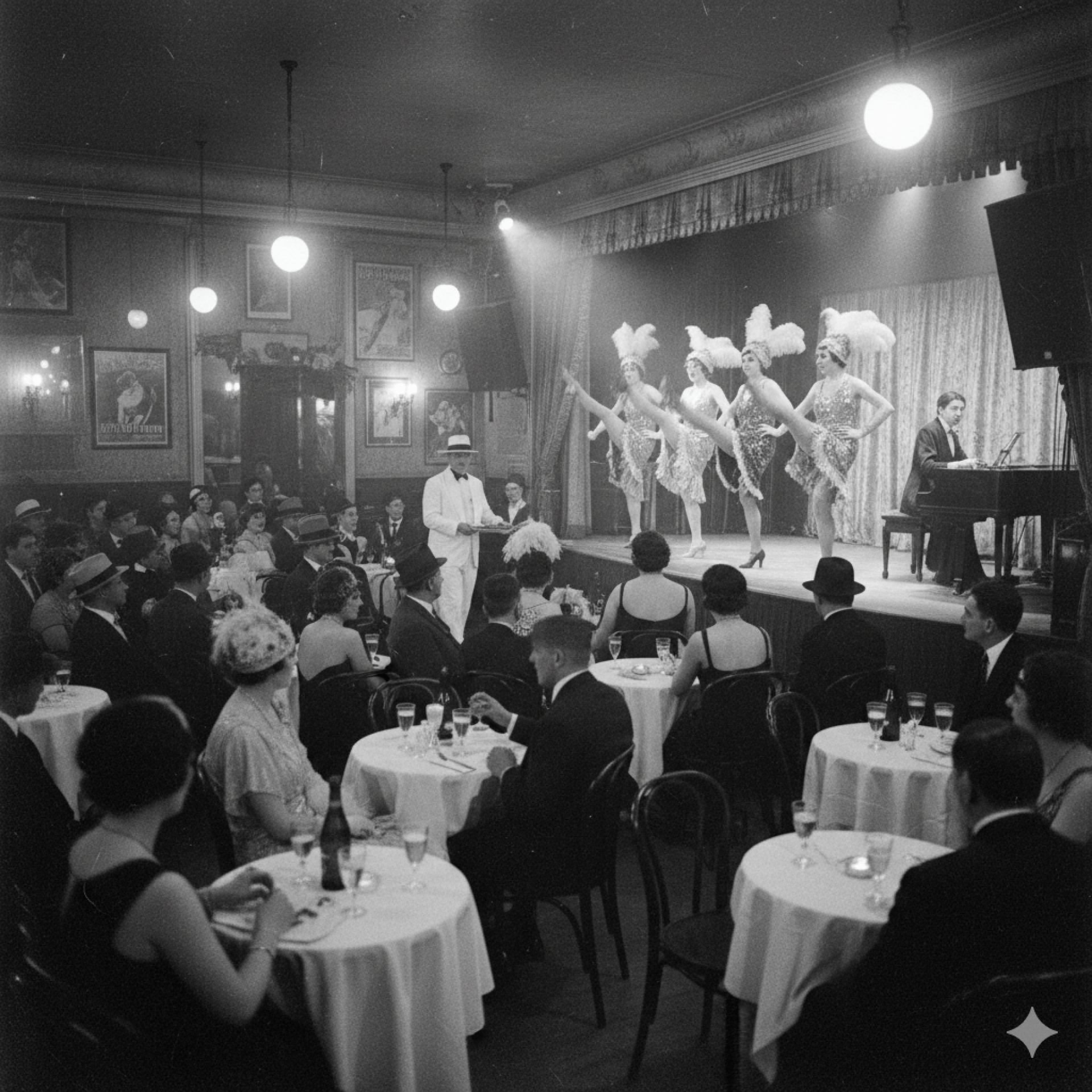
Alongside cafés, cabarets played an equally essential role. They blended song, satire, poetry, and provocation. The audience was close—sometimes hostile, often fascinated. These venues offered artists an immediate stage, far from bourgeois salons.
Even if some famous cabarets would evolve later, the spirit was already present: irreverence, freedom, and a mixing of genres. Poetry stepped out of books to become gesture, voice, and life. Rimbaud embodied this figure of the total poet, ready to burn every convention.
Following the trail of Paris’s literary cafés today
Exploring Paris’s literary cafés today is still a way of walking in the footsteps of that bohemian youth. Some places have disappeared, others have changed, yet the atmosphere lingers in certain neighborhoods: Pigalle, the Left Bank, and the streets around Saint-Germain.
Sitting at a Parisian terrace, notebook in hand, is to extend this legacy. Cafés remain places of creation, reading, and debate—faithful to the spirit of Rimbaud, even if he would doubtless have mocked any form of commemoration.
Staying in Rimbaud’s Paris
To deepen this literary immersion, one address stands out: the Hôtel Littéraire Arthur Rimbaud. Inspired by the life and work of the poet, the hotel offers a singular experience combining literature, themed décor, and a bohemian atmosphere. It is an ideal starting point for exploring Paris’s literary cafés, strolling through the neighborhoods frequented by Rimbaud and Verlaine, and rediscovering the city through the prism of poetry—beginning with the hotel’s bar area, designed in the style of a 19th-century Parisian cabaret.
And since literature is lived as a journey, another stop within the Société des Hôtels Littéraires deserves attention: the Hôtel Littéraire Marcel Aymé, in Montmartre. Another Paris—equally bohemian—where imagination, cafés, and winding streets continue to inspire writers and travelers alike.